Phone:
(701)814-6992
Physical address:
6296 Donnelly Plaza
Ratkeville, Bahamas.

Phone:
(701)814-6992
Physical address:
6296 Donnelly Plaza
Ratkeville, Bahamas.
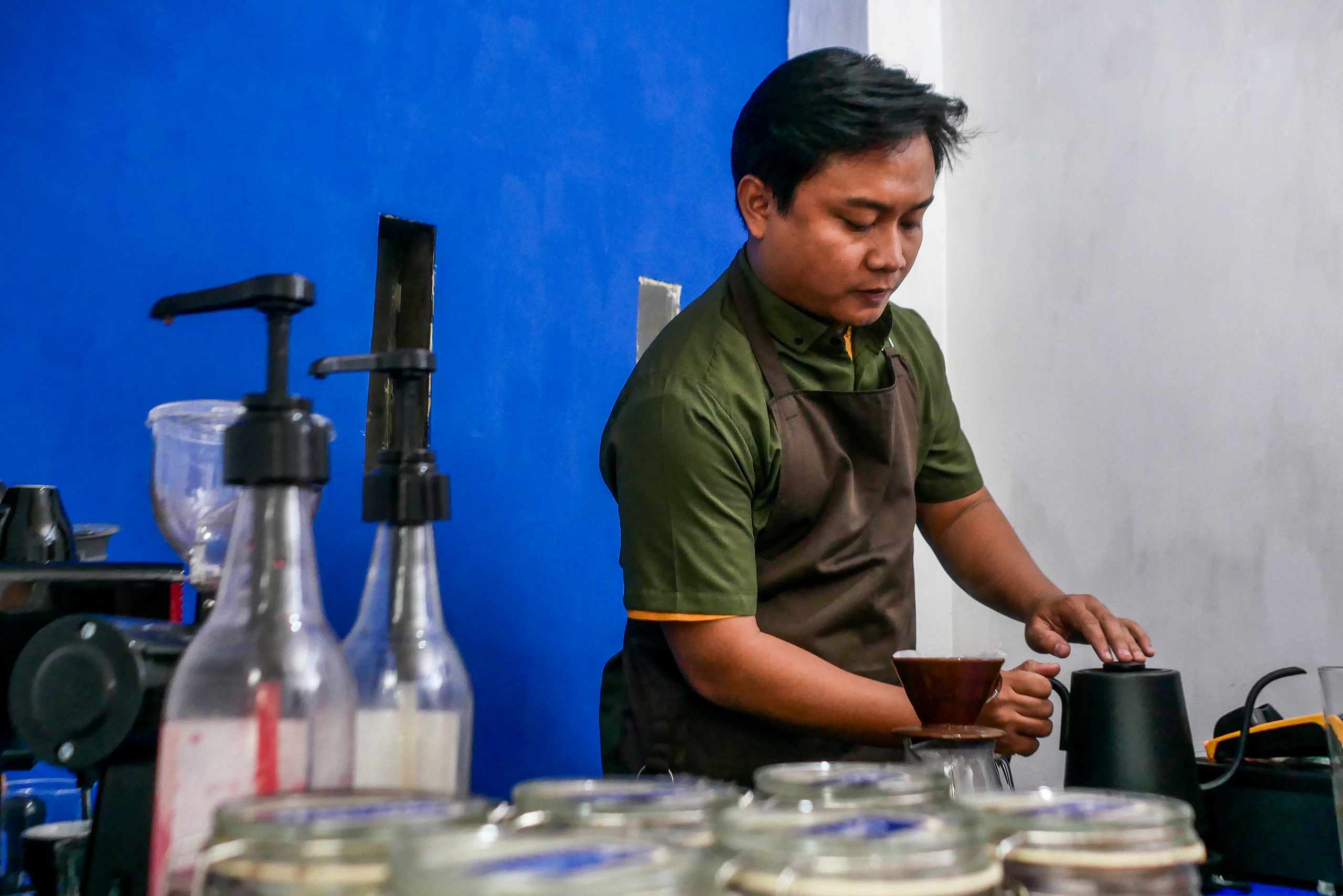
Recognizing When Your Coffee Practice Has Stalled & Which Variable to Tackle First The start of a plateau rarely presents itself with any grandiose fanfare. You are usually just finding that every time you brew it seems pretty good, but you never quite get a cup that is consistently clear, sweet, and balanced. You steam milk that seems fine until it pours too thick. You dial in espresso that tastes acceptable once, then slips out of range the next morning. That kind of stuck feeling can be disheartening because you do not feel like you are floundering around in the dark.
You are practicing. However, your efforts are not giving you information to work with any further. The way to move out of this kind of situation is not by trying to practice more, but by practicing less. You need to ask yourself: how many things are you trying to improve in a single session? As you advance, it gets much easier to get yourself into one session that includes too many variables, for example, tweaking your grind and checking your puck prep, milk texture and aeration, pouring control and tasting skills, and then assessing the cup to see if it is clear and sweet.
But the moment you introduce so many variables at once, it gets difficult to understand which one is causing the outcome you did not want, or which one is the one you are going for and which is the one you are getting. Instead of trying to accomplish a lot at once, assign a goal to each practice session: you could start with a session that just focuses on the espresso, paying attention to the variables that influence it, such as dose, brew time, and the yield. Then you could dedicate the following session to the milk, perhaps the aeration and the stretching that occurs after it, and then a third to combining your espresso and milk together.
There is no need to feel pressured to do everything in one go. Doing this will help eliminate the confusion and allow you to pinpoint the next step for you to take. Another common reason behind a plateau is the tendency to blame your equipment when things go wrong. It is easy to convince yourself that the grind setting is wrong, the bean you bought is not good enough, or that your machine is just not the right one for you. While those are all valid reasons to hit a plateau, more often than not it is just down to your lack of attention or a lapse in concentration. When your grind setting changes every time and the beans are not always the same, or your pouring technique changes, it becomes difficult to make a judgement as to what needs to change in order to fix the shot.
The solution for this is to stick to your brew setup for the duration of your practice sessions. Use the same beans, the same grind setting, the same pour, and the same brewing time. Write down your notes on your equipment and any adjustments to see if there is a consistent pattern. You want to make the session as straightforward as you can: take note of the brew time and your tasting notes. You will find that when your notes are easy to follow, the answers to your questions start to appear. When it comes to your fifteen minute practice, think about being a bit more reserved during this time. You may be tempted to want to make small adjustments to everything, so the best thing to do is to spend the first few minutes preparing a single repeatable setup rather than experimenting wildly.
Use the middle of the session to make two or three nearly identical attempts with only one controlled change. If espresso is the focus, alter the grind slightly and compare taste rather than chasing a perfect time alone. If milk is the focus, keep the volume constant and change only how long air is introduced at the beginning. Use the last minutes to review what remained stubborn. Did the bitterness soften but the body disappear? Did the milk look glossy in the pitcher but break apart in the cup? When you go over it all, you will start to notice trends and will be able to understand what it is you need to be looking for. Another useful thing to keep in mind is listening to what the cup is telling you.
If the espresso is always sharp and thin, even after small grind changes, the issue may be an underfilled basket or a yield that runs too long. If the milk repeatedly lands in stiff clumps, the stretching phase is probably lasting longer than necessary. If latte art washes out the surface every time, the pitcher may be dropping too close too early. The trick here is to view the problem as a sign that you are not practicing the right thing rather than an indictment of your efforts. You can only learn so much by trying something once or twice. You will pick up more from one variable that you have noticed again and again and worked to fix over and over until you have finally mastered it.
The more familiar and consistent you make the variables that affect your brew, the more likely you are to see results from your adjustments, and the easier it will be to understand which variables have the biggest impact on your final brew. The goal should not be to have a great session in the fifteen minutes. You want the next session to make you a better brewer than you were in the last one. The second you do start to see that your adjustments are making a difference, you can know that you are moving up and out of a plateau. You do not have a great coffee every time, but your coffee is consistently good enough to be satisfied with.